The Link Between Casino Floors and Showrooms in Old Vegas
When people picture Old Vegas, they often imagine neon-lit casinos and dazzling showgirls. But the magic of the classic Las Vegas Strip was no accident. It was the outcome of a deliberate design strategy linking casino floors and showrooms to create a seamless nightlife loop. This integration shaped the postwar resort boom from the 1950s through the 1970s. To grasp this connection, we can look at how iconic resorts built entertainment ecosystems drawing crowds inside and keeping them there all night long. Along the way, we’ll also clear up common misconceptions about how shows were promoted, and I’ll reference some useful resources including Fifties Web, the Smithsonian Institution’s si.edu archives, and modern sites like MrQ casino.
Postwar Resort Boom on the Strip: Setting the Stage
The post-World War II era marked a significant turning point for Las Vegas. The influx of returning veterans, combined with the rise of car culture, turned the Nevada desert into an accessible entertainment destination. Resorts like the Sands (1952), Sahara (1952), and Desert Inn (1950) capitalized on this surge. This was not just a bunch of gambling halls clustered together. The vision was grander: create an all-in-one destination where guests could gamble, eat, drink, watch shows, and stay overnight without leaving the property.
Neon and Architecture: Attention Grabbing at First Glance
The Strip’s streetscape became a battleground for attention. Neon signage wasn’t merely decoration; it was the calling card of each resort. Each marquee competed for eyeballs—casting beams across the desert night, promising excitement inside. The architecture itself became a statement. Exactly.. The Desert Inn’s sleek modernist lines, the Sands’ Rat Pack-era suave vibe, and the Sahara’s Moroccan-themed towers all contributed to a sense of place that was immersive and entertaining even before stepping inside.
Resorts as All-in-One Entertainment Ecosystems
Unlike standalone theaters or typical bars, the Vegas resorts designed their spaces to control the flow of visitors. The goal was to keep guests moving in a loop: from gambling tables to dining rooms, to showrooms, then back to the casino floor. Understanding how this flow worked clarifies the link between casino floors and showrooms.

Resort Flow Design and the Nightlife Loop
The typical layout was deliberate. You’d enter into a lobby that funneled you into the bustling casino floor. The casino was loud, flashing, and crowded with betting tables, slot machines, and cocktail waitresses. This excitement encouraged continual play, but the design always tempted guests with a nearby showroom.
Showrooms were intimate yet glamorous spaces tucked mid century vegas hotels deep within the resorts, typically adjacent to or above the casino floor. They showcased top-name entertainers, production shows, and variety acts. The key was that these shows weren’t peripheral; they were major draws themselves, helping boost the casino’s allure.
After the showroom, guests were streamed back into the casino, often passing through lounges or bars along the way. This created a nightlife loop, where the lines between gambling and entertainment blurred, and guests felt the resort was a self-contained world.
Showrooms and Production Shows as Major Draws
It’s a common misconception that guests just came to gamble and might stumble into a show by chance. While some shows had informal admission, many were ticketed performances headlined by big-name acts—Frank Sinatra at the Sands in 1953, Liberace at the Sahara in the 1960s, or Sammy Davis Jr. moving between venues. Yet, for all the famous acts, resorts often kept ticket prices, room rates, or show schedules unadvertised to outsiders in public documents, focusing instead on in-house promotion. When historians or enthusiasts dig into vintage programs or advertisements on sites like Fifties Web, this lack of explicit pricing information is always noted.
This opacity contributed to the allure. Guests felt lucky to be part of an exclusive night out. Moreover, the production shows made the casino floors feel like the center of a living, breathing entertainment factory.
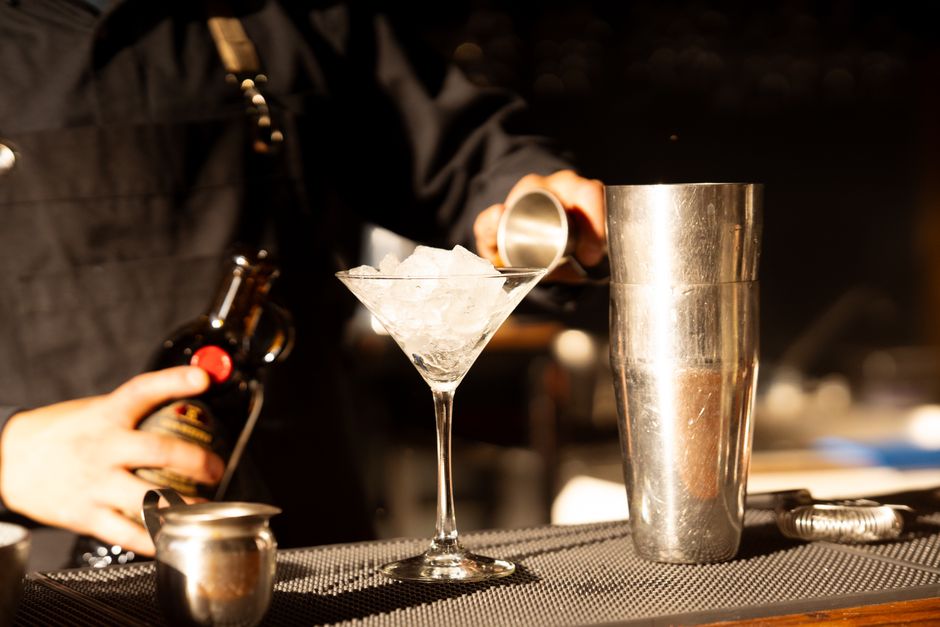
Not Just Sideshow Attractions
The showroom wasn’t merely a sideshow to the gambling action; it was a cornerstone of the resort’s identity. This strategy is captured well in the Smithsonian’s extensive archival coverage of Vegas history found on si.edu. The postwar period saw resorts investing heavily in production values, star power, and stagecraft to complement the gambling experience.
Modern Echoes: How Today’s Sites Reflect Old Vegas
Think about it: even in the digital age, the concept of combining show plus gambling endures. Online platforms like MrQ casino (mrq.com) invoke the spirit of immersive entertainment by blending interactive casino games with live entertainment streams and themed events. Let me tell you about a situation I encountered thought they could save money but ended up paying more.. While the setting has shifted from physical neon marquees to pixels on a screen, the desire to create an encompassing entertainment ecosystem remains.
Clearing Up Common Mistakes about Show Promotions
It’s worth emphasizing one error enthusiasts often stumble over: expecting to find detailed, consistent records of ticket prices or exact show schedules from the era. These details were deliberately vague or internal. Resorts wanted you to experience showrooms as part of the total resort nightlife loop, encouraging spontaneous attendance or premium ticket sales onsite.
For accurate historic information, primary sources including advertisements on Fifties Web, contemporaneous newspaper coverage, or the Smithsonian’s archival collections provide the best insights—always keeping in mind that comprehensive pricing or scheduling wasn’t publicly standardized, unlike today’s transparent digital listings.
Conclusion: The Synergy Between Casino Floors and Showrooms Defined Old Vegas
The connection between casino floors and showrooms was an ingenious dance of design and marketing that made Old Vegas a powerhouse of entertainment. From the 1950 Sands to the 1970s mega-resorts, the deliberate resort flow design kept visitors engaged in a nightlife loop, merging gambling excitement with headline show performances. This ecosystem amplified the Strip’s fame and helped define the mid-century American nightlife scene.
When you think of Old Vegas, don’t just picture slot machines or a flashy marquee—remember the tightly integrated entertainment machine inside the resort walls, crafted cleverly to keep guests immersed from the first neon glow to the closing curtain.
Further Reading and Resources
- Fifties Web: Las Vegas History — Digitized vintage advertisements and articles from the 1950s.
- Smithsonian Archives: Las Vegas History — Comprehensive collections covering the cultural history of the Strip.
- MrQ Casino — Modern online platform inspired by Vegas-style entertainment ecosystems.